Why Timing Your Dental Visits Matters More Than Frequency in Etobicoke
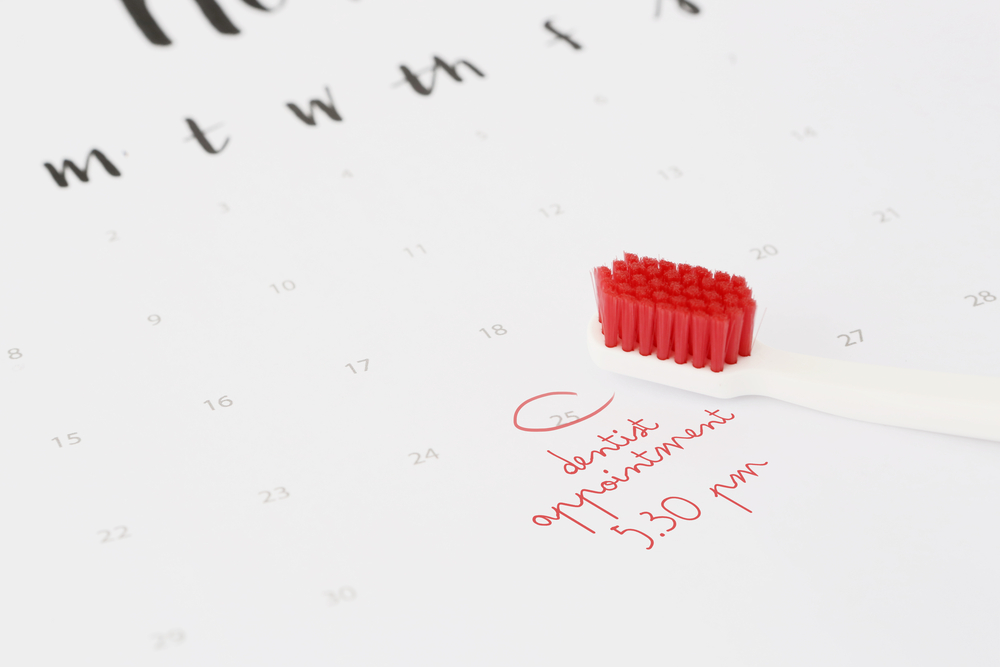
For years, dental care has been framed around a simple rule: visit your dentist every six months. It’s familiar, easy to remember, and widely accepted. But here’s the thing. Your teeth don’t follow a calendar. They follow patterns.
What if preventive care wasn’t about how often you come in, but when you come in?
At a general dentist in Etobicoke, this shift in thinking is changing how patients approach their oral health. Timing, not just frequency, can make a real difference in avoiding more involved treatments later.
The Problem With “Every Six Months”
The six-month guideline was never meant to be one-size-fits-all. It was designed as a general benchmark. But people’s mouths don’t behave in identical ways.
Some patients build plaque quickly. Others take longer. Some experience seasonal sensitivity. Others may go through periods of stress that affect their gums.
When care is locked into a rigid schedule, it can miss these fluctuations. You might come in too late for a small issue—or too early, when there’s little to address.
That’s where timing comes in.
Think in Windows, Not Intervals
Preventive dental care works best when it targets specific “windows” of change.
For example:
- After a period of illness, when your immune system has been under strain
- During life changes like pregnancy or new medications
- At the first sign of sensitivity, rather than waiting months
A dental clinic in Etobicoke, Ontario, may look at your health history and identify these moments as opportunities for care, rather than relying strictly on a set interval.
It’s a subtle shift, but it changes the outcome.
The Biology Behind Timing
Your mouth is constantly changing. Bacteria grow in cycles. Gums respond to inflammation over time. Small issues don’t appear overnight—they develop in stages.
Catching a problem in the early stage often means:
- Shorter appointments
- Less invasive procedures
- Lower overall cost
But catching it late can mean the difference between a simple filling and something more involved.
A dentist near Etobicoke who focuses on timing is paying attention to these biological rhythms, not just the calendar.
“Just in Time” Care
There’s a concept used in other industries called “just in time.” It means acting at the moment when intervention is most effective.
Applied to dentistry, it looks like this:
- Booking a visit when bleeding gums first appear, not months later
- Scheduling a cleaning before tartar hardens beyond easy removal
- Checking a minor crack before it spreads
Instead of asking, “Am I due?” the question becomes, “Is this the right moment?”
The Cost of Waiting vs. Acting Early
Let’s look at a simple example.
A small cavity, caught early, may require a straightforward filling. Left unchecked, it can grow deeper, eventually reaching the nerve. At that point, treatment becomes more complex.
The same pattern applies to gum health. Mild inflammation can often be managed with timely care. But when it progresses, it may require more involved intervention.
Strategic timing doesn’t just protect your teeth. It reduces the likelihood of these escalations.
Personalized Timing Matters
No two patients follow the same pattern. That’s why timing works best when it’s personalized.
Some factors that influence timing include:
- Diet and sugar exposure
- Oral hygiene habits
- Medical conditions
- Stress levels
- Smoking or vaping
A general dentist in Etobicoke may adjust your care schedule based on these details, rather than placing everyone on the same six-month cycle.
For one person, that might mean visits every four months during a high-risk period. For another, it could mean spacing visits out, with check-ins tied to specific concerns.
Listening to Subtle Signals
Your mouth often gives early signals before a problem becomes obvious:
- Slight sensitivity to cold
- Occasional bleeding when brushing
- A rough spot on a tooth
- Persistent dryness
These signals don’t always feel urgent, so they’re easy to ignore. But they often mark the beginning of change.
Reaching out to a dentist near Etobicoke when these signs appear can help address issues while they’re still manageable.
Rethinking Routine Care
Routine care doesn’t have to mean routine timing.
Instead of thinking:
“I go every six months.”
Try:
“I go when my mouth needs attention.”
This doesn’t replace regular visits. It refines them. It makes each appointment more purposeful.
A dental clinic in Etobicoke, Ontario that embraces this approach may work with you to map out a care plan that reflects your actual needs, not just a standard schedule.
A More Practical Way to Stay Ahead
Preventive care is still the foundation of oral health. That hasn’t changed. What’s changing is how we approach it.
Timing adds a layer of awareness. It encourages you to act earlier, notice patterns, and respond to changes as they happen.
If it’s been a while since your last visit—or if something feels slightly off—it may be worth checking in. Not because the calendar says so, but because your mouth might be telling you something.
And often, that’s the most useful timing of all.